
A checklist sounds like a simple thing, but in practice it represents one of the more sophisticated interventions a trader can make in their own decision-making process. The purpose is not to add bureaucracy to an entry decision. It is to create a moment of structured pause between the impulse to trade and the act of trading, during which the trader evaluates specific conditions against predetermined criteria rather than against the general feeling that something looks right. That pause is where traders filter out many avoidable losses before they become actual ones.
The conditions that belong on a pre-trade checklist are not universal. They reflect the specific requirements of a trader’s defined approach, which means a checklist copied directly from another trader loses most of its value in the process. A swing trader focused on daily chart setups will have different requirements than a session trader working on shorter timeframes, and a momentum-based approach demands different confirmations than one built around mean reversion. What the checklist captures is the distilled version of what a trader has learned, through both research and experience, about the conditions under which their approach works.
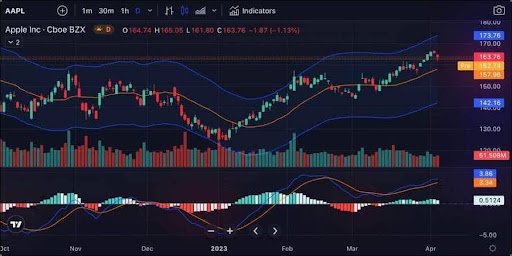
Building that checklist begins with honest retrospective analysis. Traders who review their historical trades and identify the conditions present in their best outcomes versus their worst ones start to see patterns that inform what should and should not be on the list. The trader may find that most of their best trades have been made when the higher time frame trend was in sync with the setup’s trend, and the worst trades when the higher time frame trend was against the setup’s trend. That observation becomes a checklist item: higher timeframe alignment confirmed. TradingView charts make this retrospective work practical by preserving annotated historical layouts that can be reviewed systematically.
The checklist items themselves should be specific enough to be unambiguous. Vague criteria such as “market conditions look favorable” or “momentum is positive” are too interpretable to serve as genuine filters. Useful checklist items have binary answers: price is above the twenty-day moving average, volume on the current session exceeds the five-day average, the higher timeframe structure shows a clear sequence of higher lows. When the answer to each item is clearly yes or no, the checklist performs its filtering function. When items require subjective judgment, traders tend to resolve them in whichever direction they already want to go.
Execution discipline is the final layer that determines whether a checklist actually changes behavior. A checklist bypassed when a trade feels urgent, or when the trader decides a particular setup is an exception to one of the criteria, is not functioning as intended. The whole point of the structure is that it applies consistently, including to setups that feel obvious and compelling. Traders who override their checklist regularly do not have a checklist problem. They are dealing with a discipline problem that the checklist alone cannot solve.
Traders who build and use pre-trade checklists within TradingView charts consistently report not that they catch more opportunities but that they take fewer bad trades. The improvement in results comes from subtraction rather than addition, from the setups that never opened because one checklist item did not confirm, rather than from any enhancement in the quality of entries that did. That subtraction effect is the checklist’s primary value, and it is available to any trader willing to define their criteria honestly and then hold themselves to those criteria when it matters most.