
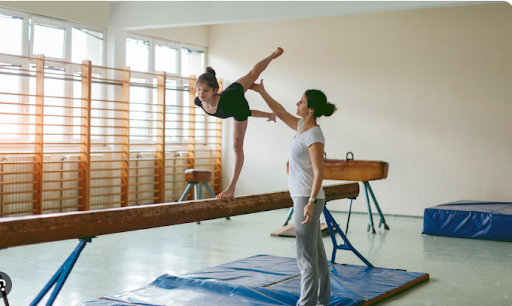
A first major landing is rarely just a physical test. For a developing gymnast, it can feel like the point where weeks of drills, corrections and improvements become visible at once. Confidence at that moment is not created by encouragement alone. It grows from a training process that makes the unfamiliar feel familiar before the athlete attempts the full skill.
Coaches can start by breaking the landing into parts that are easy to recognise and repeat. Body position, sight line, foot placement and control after contact can each be practised separately. When athletes know what a successful landing should feel like, they have fewer things to solve at speed. This is where well-chosen gymnastics equipment supports learning: it allows a coach to change height, distance or landing conditions without turning every repetition into a full-performance attempt.
Progressions also matter because fear often appears when the jump between two stages is too large. A gymnast who is comfortable with a drill at low height may still hesitate when the same movement is introduced from a more demanding position. Smaller changes give the athlete time to keep the same technique while adjusting to a new challenge. A coach might vary the approach, use a softer landing zone, add a visual target or reduce the speed before building it back up. Each step should have a clear purpose rather than simply making the drill harder.
The training area itself can influence how secure an athlete feels. Space should allow clear movement around the apparatus, while landing zones should be prepared before the athlete begins. Consistent routines help as well. If the gymnast knows where to wait, when to start and how the coach will signal a correction, the session feels more predictable. That predictability leaves more attention available for the skill. In this setting, gymnastics equipment should be positioned to support the planned progression rather than forcing the coach to work around a fixed layout.
Feedback is most useful when it gives the athlete one or two points to act on immediately. Too many instructions after a difficult attempt can make the next repetition feel more complicated. A short cue such as keeping the chest steady or holding the finish can give the gymnast something concrete to control. Coaches can also ask what the athlete noticed. This encourages awareness and helps distinguish a technical problem from simple uncertainty.
Repetition should build trust without becoming careless. Once a gymnast completes several successful versions of a drill, it can be tempting to move straight to the final skill. However, confidence is stronger when success remains stable under small changes. The athlete might repeat the landing after a different entry, with a slightly higher take-off or later in the session when tiredness begins to affect timing. These controlled variations show whether the technique is genuinely reliable.
Good preparation also includes knowing when not to push forward. If an athlete repeatedly loses shape, becomes rushed or stops following normal safety cues, stepping back to an earlier progression can protect both technique and confidence. That is not lost progress. It is a way to restore the movement pattern before adding difficulty again. The same principle applies when gymnastics equipment is adjusted: any change should make the learning goal clearer, not simply create a new challenge.
The first big landing becomes less intimidating when the athlete has already solved its important parts many times. By the time the full attempt arrives, the goal is not to produce a sudden act of courage. It is to recognise a movement that has been prepared carefully, repeat the familiar actions and finish with control.
Coaches can strengthen this process by keeping expectations steady between sessions. When cues, warm-up progressions and landing standards change constantly, athletes may spend energy decoding the session instead of refining the skill. A familiar preparation sequence gives them a base from which new demands can be added. Confidence then becomes linked to evidence: they have completed the steps and shown control often enough to trust the next attempt.