
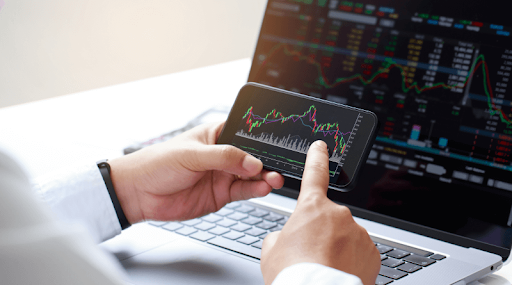
A trading setup does not need dozens of indicators or several monitors. It needs reliable pricing, a clear view of scheduled risk, a method for calculating exposure, and records that show whether decisions matched the original plan.
For online forex trading, the most useful tools tend to solve operational problems rather than predict the next price movement. A calendar prevents an accidental position before major data. A calculator translates a chart level into account risk. An alert brings attention back when price reaches a planned area.
The right tool often removes a decision rather than adds one.
A Regulated Broker Platform and Focused Charts
The trading platform connects analysis with execution. It should provide stable prices, visible spreads, appropriate order types, account-equity data, and a clear transaction history. The broker behind the software matters because it determines available instruments, contract specifications, margin requirements, and execution policies.
Regulatory status should be confirmed through the financial authority’s official register. The legal entity on the account agreement must match the company listed by the regulator. A familiar brand can operate through several entities with different protections.
Charts form the second tool. A practical layout might use a higher timeframe for direction, a middle timeframe for structure, and a lower timeframe for execution. Previous session highs, lows, support, and resistance usually deserve more attention than decorative overlays.
More indicators do not necessarily produce more independent evidence. Several tools may simply repackage the same price data.
An Economic Calendar and Position-Size Calculator
An economic calendar identifies scheduled events capable of changing interest-rate expectations or market liquidity. Inflation releases, employment reports, policy decisions, and central-bank speeches should be reviewed before a position is opened.
The calendar cannot account for every shock. In March 2023, the failure of Silicon Valley Bank triggered a rapid reassessment of financial stability and Federal Reserve expectations. Bond yields moved sharply, while currency markets reacted to changing demand for safety and liquidity.
A trader waiting only for scheduled data could still be caught by the move. This is why calendars provide preparation rather than certainty.
A position-size calculator performs a different job. It converts the distance between entry and stop into monetary risk. If the stop is 50 points away and the account can tolerate a $100 loss, the calculator determines the volume consistent with that limit.
Counterintuitively, this simple tool may add more value than another technical indicator. Indicators influence the idea. Position sizing determines what happens to the account when the idea fails.
Price Alerts and a Trading Journal
Price alerts reduce the need to watch every fluctuation. They can be placed before a planned entry zone, at the actual trigger, and near the invalidation level. Layered alerts provide time to reassess spreads, market structure, and approaching news rather than forcing an immediate decision.
An alert is not a signal by itself.
When price reaches resistance, the relevant question is how it behaves there. A brief spike above the level may trigger breakout orders and then reverse. Waiting for sustained trading beyond resistance can distinguish acceptance from a liquidity sweep, though it may also mean entering at a less favorable price.
A trading journal records the reason for entry, market condition, catalyst, stop, target, position size, and result. Screenshots taken before and after the trade preserve information that memory tends to rewrite.
Profitable trades should be reviewed as closely as losses. A position can make money despite poor sizing or an impulsive entry. Treating every profit as evidence of good execution reinforces mistakes that happened to receive a favorable outcome.
Reliable Connectivity and a Backup Plan
Internet stability rarely appears on a strategy checklist until the connection fails with a position open. Traders should know how to access the account through a mobile application or web terminal if the primary platform becomes unavailable.
The backup should be tested before it is needed. Login credentials, two-factor authentication, broker contact details, and emergency closing procedures should remain accessible without weakening account security.
Server-side stop-loss and take-profit orders can continue functioning after a local connection drops, depending on the broker and order type. Trailing stops may require the platform to remain active, so their behavior should be verified rather than assumed.
A second device does not solve every failure. Broker outages, server interruptions, and gaps can still affect execution. The purpose of a backup is to preserve available options.
Before beginning online forex trading, test all seven tools through one demo position. Confirm the broker entity, mark the chart, check the calendar, calculate size, create alerts, record the setup, and close the trade from the backup device. Any step that feels unclear in simulation will become harder when the position is live.