
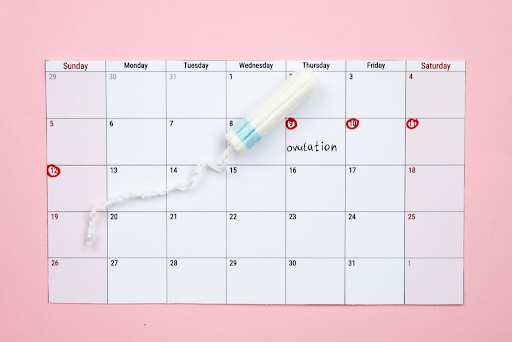
Starting Mounjaro can lead to changes in your menstrual cycle, particularly during the first few months of treatment. Some women notice irregular timing, heavier or lighter bleeding, or temporarily missed periods as the body adjusts to weight loss and improved insulin sensitivity. These changes are usually short term and settle as weight stabilises.
Our clinicians explain how Mounjaro may affect your period, what’s considered normal, and when to seek medical advice. If you plan to buy Mounjaro online, understanding these potential effects can help you feel informed, confident, and supported throughout your treatment.
Let’s look at why this happens, what’s considered normal, and when it’s time to seek medical advice.
What Is Mounjaro and How It Works in the Body
Mounjaro (tirzepatide) is a medication that helps regulate appetite and blood sugar by acting on GLP-1 and GIP receptors. These hormones influence how full you feel, how your body uses insulin, and how efficiently energy is stored or burned.
Importantly, Mounjaro does not directly affect reproductive hormones like oestrogen or progesterone. However, weight, metabolism, and insulin sensitivity are closely linked to menstrual health. When those systems shift, your cycle can respond.
Can Mounjaro Affect Your Period?
Yes, it can. Some women experience changes to their menstrual cycle after starting Mounjaro. These changes don’t happen to everyone, and when they do occur, they are usually indirect effects of weight loss and metabolic improvement rather than the medication acting on the ovaries themselves.
Reported changes include:
- Periods coming more or less frequently
- Heavier or lighter bleeding
- Spotting between cycles
- Temporary missed periods
- Improved cycle regularity, particularly in women who previously had irregular periods
For most women, these changes are short term and settle as the body adapts.
Weight Loss, Fat Tissue, and Hormones
Body fat plays a role in hormone production. Fat tissue produces oestrogen, which helps regulate the menstrual cycle. When you lose weight quickly, especially a noticeable amount in a short time, oestrogen levels can temporarily drop.
Your menstrual cycle is controlled by a communication system between the brain and ovaries. When hormone levels shift, that system can fall out of sync. This may lead to delayed ovulation, altered cycle length, or changes in bleeding patterns.
Rapid weight loss can also be interpreted by the body as physical stress. From a biological perspective, reproduction is deprioritised during times of perceived scarcity, which can result in missed or irregular periods until balance is restored.
Insulin Sensitivity and Menstrual Changes
Mounjaro improves insulin sensitivity, which can be a positive change for overall health and fertility. High insulin levels are linked to hormone imbalances that disrupt ovulation. When insulin sensitivity improves, cycles that were previously irregular may become more predictable.
This is particularly relevant for women with insulin resistance or metabolic conditions. However, during the initial adjustment phase, hormonal shifts can still cause temporary cycle disruption before improvements become noticeable.
What Changes Are Most Common?
Women report a range of experiences, including:
- Shorter or longer cycles than usual
- Heavier bleeding in the early months
- Lighter periods or spotting instead of a full bleed
- Temporary absence of periods during rapid weight loss
Interestingly, many women report more regular periods after several weeks on treatment. This suggests that once metabolic health stabilises, cycle regulation often improves rather than worsens.
How Long Do Period Changes Last?
For most women, menstrual changes occur within the first 8 to 12 weeks of starting Mounjaro. This is when weight loss tends to be fastest and hormonal adjustment is most active.
As weight stabilises and the body adapts, cycles usually settle into a new, predictable pattern. The timeline varies, but ongoing disruption beyond a few months should be discussed with a healthcare professional.
When to Speak to a Doctor
While most changes are harmless, medical advice is important if you experience:
- Three consecutive missed periods
- Very heavy bleeding, such as soaking through a pad or tampon every hour
- Large clots or bleeding that lasts much longer than usual
- Bleeding between periods or after sex
- Severe pain that feels different from normal period cramps
If you buy Mounjaro online, it’s still essential to have access to a clinician who can review side effects and assess whether further investigation is needed.
Mounjaro, PCOS, and Period Regularity
Women with Polycystic Ovary Syndrome often see positive menstrual changes on Mounjaro. PCOS is closely linked to insulin resistance, which interferes with ovulation and cycle regularity.
By improving insulin sensitivity and supporting weight loss, Mounjaro can help reduce androgen levels and restore ovulation. Many women with PCOS notice more regular periods over time, sometimes after years of irregular or absent cycles.
One important consideration is fertility. If your periods become regular, you may be ovulating more consistently than before.
Managing Period Changes While Taking Mounjaro
Tracking your cycle can help you spot patterns and give useful information to your doctor if concerns arise. Keep note of timing, flow, symptoms, and any changes from your usual pattern.
Even with reduced appetite, maintaining adequate nutrition and hydration is important. Hormone production depends on sufficient energy and nutrients. Skipping meals consistently can worsen cycle disruption.
If changes feel concerning, speak to your prescriber rather than stopping the medication on your own. Adjustments or reassurance may be all that’s needed.
Are Menstrual Changes Permanent?
For most women, no. Period changes linked to Mounjaro are usually part of a temporary adjustment phase. Once weight loss slows and metabolism stabilises, cycles typically return to a steady rhythm.
For women whose cycles improve due to better insulin sensitivity, those benefits can last as long as the metabolic improvements are maintained. If treatment stops and weight is regained, cycles may revert to their previous pattern.
Final Thoughts
If you’ve started Mounjaro and noticed changes to your period, it doesn’t automatically mean something is wrong. These shifts are often a sign that your body is adjusting to weight loss and improved metabolic health.
Whether you’re already taking the medication or planning to buy Mounjaro online from a UK Registered Pharmacy. Understanding how it can affect your menstrual cycle helps you know what’s normal, what’s temporary, and when to seek advice. Listening to your body and staying in touch with a healthcare professional is key to staying informed and reassured.