
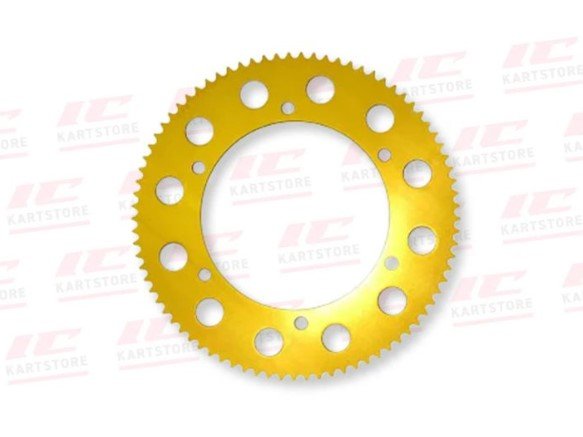
Selecting the correct sprocket is essential for ensuring optimal performance, durability, and efficiency in mechanical systems. Whether used in industrial machinery, bicycles, motorcycles, or go-karts, the right choice influences power transmission, wear resistance, and operational smoothness. Making the wrong choice can lead to premature wear, excessive noise, or even system failure, so understanding the selection process is critical.
Understanding the Role of a Sprocket
A sprocket is a wheel with teeth that mesh with a chain to transmit rotary motion. It plays a central role in maintaining consistent power delivery in chain-driven systems. Depending on the application, sprockets can be designed for speed, torque, or load-bearing purposes. Knowing the function within your specific machinery is the first step toward making the proper selection.
Choosing the Right Material
The material of a sprocket impacts its performance and lifespan. Common materials include steel, stainless steel, and lightweight aluminium. Steel is durable and cost-effective for heavy-duty use, while stainless steel offers corrosion resistance for outdoor or harsh environments. Aluminium is ideal for applications that demand reduced weight without sacrificing too much strength. In some cases, engineering plastics are also used for quieter operation and reduced friction. Selecting the right material depends on factors such as operating environment, load requirements, and budget considerations.
Determining the Pitch and Size
The pitch refers to the distance between the centres of adjacent teeth, which must match the chain being used. Incorrect pitch selection can cause poor engagement, leading to accelerated wear or chain slippage. Similarly, sprocket size affects the speed-torque ratio, meaning a larger sprocket can increase torque while a smaller one increases speed. It is also essential to consider the intended application—precision machinery may require a fine pitch for smooth motion, while heavy machinery often uses a larger pitch for durability. Proper sizing and pitch selection will not only ensure better performance but also extend the chain’s service life.
Matching Sprocket to Application Type
For bicycles or motorcycles, sprocket selection impacts acceleration and top speed. In heavy machinery, it affects load handling and energy efficiency. For kart racing, choosing the right sprocket is vital for track performance and ensuring smooth handling. Each application requires a balance between performance goals and mechanical limitations.
Considerations for Industrial Applications
When used in industrial settings, sprockets must be compatible with industrial packaging machines, conveyor systems, or manufacturing lines. Factors such as load capacity, lubrication requirements, and alignment precision should be evaluated. Misalignment or improper lubrication can lead to costly downtime, so it’s best to select a design that minimises maintenance needs.
Tooth Profile and Design
Sprocket teeth come in various profiles, including standard, hardened, and custom designs. Hardened teeth are beneficial for high-wear environments, while custom tooth shapes can be engineered to reduce noise or improve chain engagement. The right tooth profile ensures longer service life and better system performance.
Maintenance and Replacement Intervals
Even the highest-quality sprocket will wear over time. Regular inspections help detect early signs of wear, such as hooked teeth or elongation marks. Replacing a worn sprocket before it fails can prevent damage to the chain and other mechanical parts. Maintaining proper lubrication and alignment also extends service life.
Cost Versus Quality Considerations
While lower-cost options may seem appealing, investing in a quality sprocket often pays off in reduced downtime, lower maintenance costs, and improved system efficiency. High-quality sprockets from trusted suppliers ensure consistent performance and reliability, particularly in demanding applications.
Final Thoughts
Selecting the right sprocket requires an understanding of materials, pitch, application type, and maintenance needs. Careful consideration of these factors helps ensure reliable performance and long-term value. For kart racing enthusiasts or industry professionals seeking top-quality solutions, a trusted kart store like IC Kartstore can provide the expertise and products needed for success.