
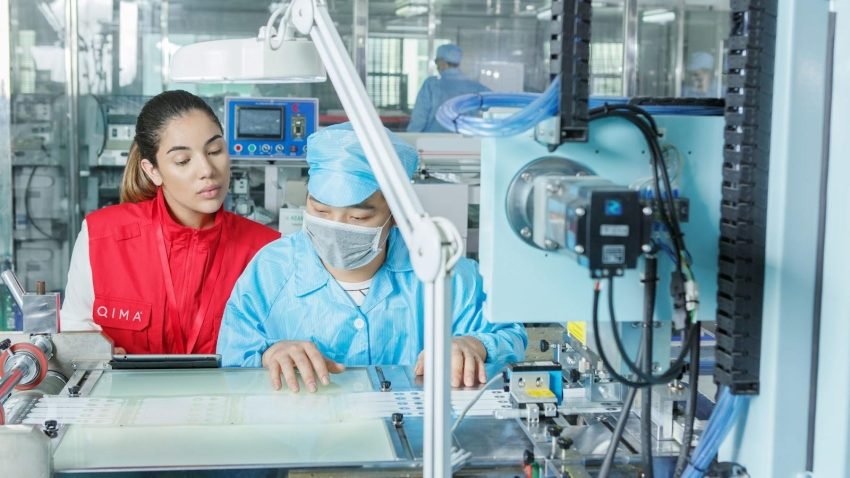
China continues to dominate the global manufacturing landscape, supplying billions of dollars’ worth of goods across every industry from electronics and machinery to textiles, toys, and consumer products. For international buyers, sourcing from China offers major advantages such as scalability, affordability, and shorter production timelines.
However, operating with a supplier thousands of miles away also brings unavoidable risks. Miscommunication, limited oversight, material substitutions, rushed deadlines, or inconsistent quality standards can all lead to costly production errors.
This is why Product Inspection in China is regarded as the most effective protective measure for brands that depend on overseas manufacturing. Instead of waiting for issues to surface in your home market, inspections catch errors before your products leave the country saving your business time, money, and reputation.
Understanding the Value of Third-Party Inspection
Relying solely on factory assurances can be risky. Many suppliers work with tight schedules, outsourced components, or subcontracted workshops, which increases the possibility of inconsistency.
Third-party inspectors work independently, acting on behalf of the buyer to verify:
Quality standards
Measurement and functionality
Workmanship and finishing
Packaging and labeling
Compliance with international regulations
A reliable inspection program ensures that your products match your order specifications not what the factory thinks is acceptable.
Stopping Defects Before They Reach Customers The Role of Pre Shipment Inspection
One of the most important stages of Product Inspection in China is the pre shipment inspection, performed when production is 100% complete and at least 80% packed.
This step confirms:
Correct quantity and product mix
Consistent finishing, materials, and workmanship
Packaging and labeling meet export requirements
No major, minor, or critical defects exceed acceptable limits
The right products are boxed and ready to ship
A pre shipment inspection allows the buyer to approve or reject shipments based on real quality data not guesswork. If problems are found, corrective actions can be taken before the shipment is loaded, preventing expensive returns or rejected orders abroad.
Key Benefits of Product Inspection in China
- Higher Product Consistency
Regular inspections maintain uniform standards across production batches, eliminating surprise variations between orders.
- Lower Financial Risk
Fixing defects at the factory is far cheaper than processing customer complaints, handling returns, or issuing refunds.
- Protecting Brand Trust
Defective products damage customer perception faster than most brands realize. Inspection safeguards your reputation.
- Fewer Shipping Delays
Identifying problems early avoids last-minute rework, shipping cancellations, or customs complications.
- Stronger Supplier Accountability
When factories know inspections are routine, they adhere to better materials and manufacturing practices.
Combining Inspection with Proactive Supplier Management
Although inspections are essential, they are even more effective when combined with strong supplier communication, quality requirements, and audit programs.
Transparent expectations plus ongoing monitoring create a stable partnership one that benefits both buyers and manufacturers.
Why Quality Errors Should Never Be Managed From Afar
A defective shipment discovered after arrival is costly in every sense:
Shipment return or disposal fees
Replacement production costs
Damaged retailer relationships
Lost sales opportunities
Negative customer reviews
Product failures can push brands out of competitive markets especially when customers have multiple alternatives.
By investing in Product Inspection in China, businesses make quality control proactive rather than reactive.
Final Thoughts
In today’s global economy, sourcing products from China remains a highly strategic choice but only with the right controls in place.
Product Inspection in China acts as your strongest line of defense, ensuring that every unit produced meets your standards before it reaches international customers. Paired with critical tools like pre shipment inspection, businesses gain confidence, stability, and long-term quality reliability.
For any importer aiming to protect their brand and delight their customers, routine inspection is not just an option it is a necessity.
Want a meta description, short LinkedIn summary, or another version for Vietnam/India?
Just say “rewrite for X market” and I’ll handle the rest!
write more
Absolutely here is an expanded, more detailed version of the article with the same keywords:
Product Inspection in China (primary)
pre shipment inspection (secondary)
Why Product Inspection in China Is Your Best Defense Against Quality Failures
China remains a global center of manufacturing excellence, powering the supply chains of thousands of international brands from small e-commerce sellers to global corporations. The country offers unmatched production capabilities, competitive pricing, and the flexibility to manufacture diverse product categories at scale.
Yet, sourcing from a distant supplier introduces a natural gap in oversight. When quality expectations are not continuously monitored, unexpected issues can arise scratched surfaces, missing components, incorrect packaging, non-compliant materials, or even entire shipments that fail functional testing.
For businesses outsourcing production, Product Inspection in China is the most effective way to eliminate these risks. Inspection transforms manufacturing from a trust-based relationship into a data-driven partnership giving buyers real-time clarity on what is being produced and whether it matches their expectations.
Why Inspection Matters When Sourcing from a Distance
When buyers operate within their local market, they can supervise factories and monitor performance directly. But when goods are manufactured overseas especially in China issues can go unnoticed until they reach the customer.
Many challenges arise during international sourcing:
Language or specification misunderstandings
Suppliers cutting costs by changing materials
Capacity overload leading factories to rush orders
Outsourcing part of production without informing the buyer
Variations in quality control between shifts or batches
Lack of standardized manufacturing processes
A simple miscommunication can lead to thousands of defective products turning what appears to be a profitable order into a financial loss.
This is exactly where systematic inspection offers unmatched protection.
Strengthening Quality Through Pre Shipment Inspection
Among all inspection stages, pre shipment inspection stands out as the final and most critical checkpoint. Conducted when production is complete, it serves as a last protective barrier before products leave China’s ports.
This inspection verifies:
Correct product style, size, model, and quantity
Adherence to customer specifications and artwork
Workmanship quality and defect classification
Packaging durability and shipping readiness
Compliance with regional safety standards
Functionality or performance testing when required
Without pre shipment inspection, buyers depend solely on the factory’s internal QC and every importer learns quickly that internal QC is not always reliable.
Pre-shipment control ensures that only approved goods are allowed to leave China, freeing buyers from worries about hidden surprises or quality deterioration.
What Happens When Inspection is Skipped?
Many companies skip inspection to save time or cost only to face consequences far more expensive than the inspection fee:
Costly Returns: Recalling or refunding customers can be 5x 10x costlier than correcting defects at origin.
Shipping Delays: If products arrive unusable, replacement production and delivery can take months.
Inventory Damage: Poor packaging can lead to broken or dented goods during transit.
Brand Reputation Loss: Online reviews can permanently influence future sales.
Retailer Contract Penalties: Big-box retailers often charge suppliers for defective goods.
One bad shipment can cause customers to switch brands permanently. In fast-moving markets, customer loyalty is fragile and quality failures are unforgiving.
Five Ways Product Inspection in China Protects Your Brand
- Catching Defects Before Production Escalates
Early detection prevents entire batches from being wasted or reworked.
- Ensuring Materials Match the Approved Standard
Factories sometimes switch suppliers or raw materials without informing buyers. Inspection controls this risk.
- Maintaining Consistency Across Repeat Orders
Inspection protects buyers ordering recurring volume from creeping quality decline.
- Improving Supplier Accountability
Suppliers behave more responsibly when they know their products will be independently checked.
- Delivering Predictability and Peace of Mind
Importers gain confidence that every shipment can meet market expectations.
Inspection as Part of a Bigger Quality Strategy
While third-party inspections act as the first line of defense, they work best when combined with:
Clear product specifications
Realistic production timelines
Regular communication with suppliers
Factory audits and capability assessments
Continuous performance scoring
By treating quality as an ongoing strategy not a one-time task buyers can build strong, reliable supply chains that scale safely.
The Ultimate Result: Better Quality, Higher Profits, and Stronger Customer Loyalty
The true value of Product Inspection in China goes far beyond defect detection. It supports long-term success by:
Protecting profit margins
Preventing wasted shipments and returns
Increasing buyer confidence and forecasting accuracy
Improving product acceptance rates in retail and e-commerce
Strengthening customer satisfaction and brand credibility
At a time when consumers demand excellence from the brands they trust, maintaining quality is not optional it is an obligation.
Conclusion
Manufacturing in China unlocks enormous business opportunity, but it also requires vigilance, structure, and control. Product Inspection in China supported by strategic checks like pre shipment inspection provides the security importers need to eliminate uncertainties, avoid defective shipments, and protect brand reputation.
The smartest companies don’t leave quality to chance they validate it, verify it, and monitor it. And that is why inspection remains the most powerful defense against hidden risks in global sourcing.